Article Summary
Malaysian banks reject personal loan applications most commonly due to a high debt service ratio, adverse CCRIS or CTOS records, and weak income documentation rather than because the borrower is fundamentally unqualifiable. Addressing these root causes through credit report remediation, DSR reduction, and stronger supporting documents can convert a prior decline into an approval. This article provides a structured action plan for each correctable factor.
Why Rejections Are More Common Than Borrowers Expect
A declined personal loan application is uncomfortable, but it sits within a pattern that Bank Negara Malaysia’s Financial Stability Review has consistently documented: a meaningful proportion of retail credit applications in Malaysia are declined each year, and many of those rejections stem from correctable factors rather than fundamental credit risk.
The bank’s decision is the output of a systematic risk assessment framework. Understanding precisely which variable triggered the decline is the starting point for any productive next step.
The Six Most Consequential Reasons for Rejection
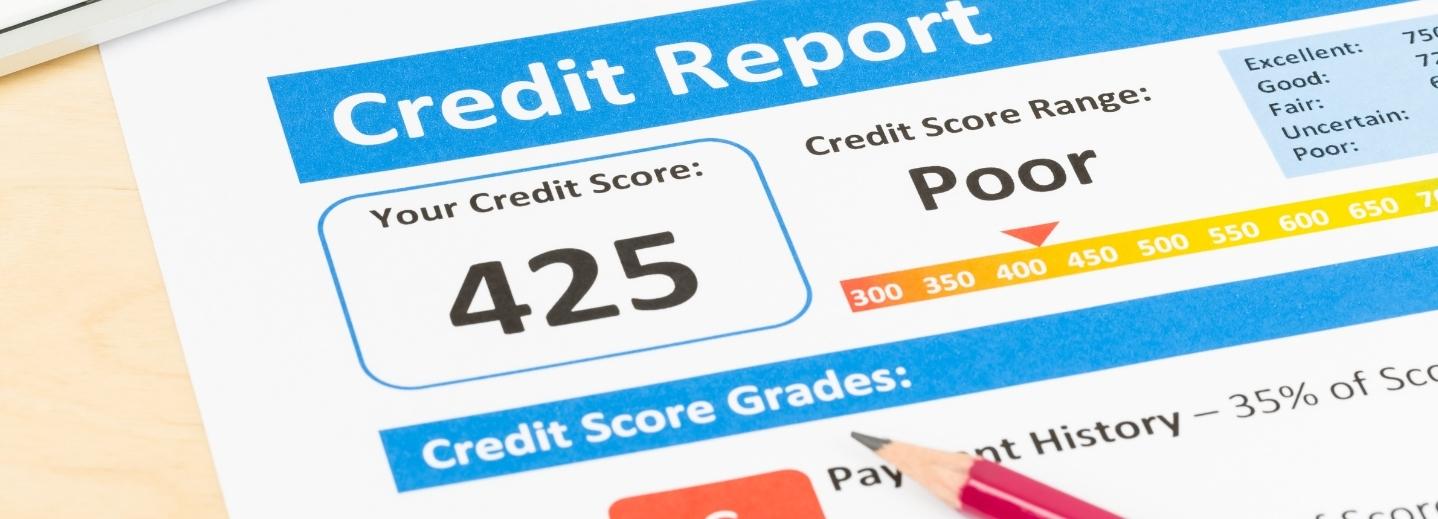
- Your CCRIS and CTOS records are the first thing any lender looks at. If there are patterns of late payment, settled defaults, or restructured facilities sitting in there, underwriters will flag it before they even get to the rest of your application.
- The debt service ratio is another sticking point. Most Malaysian banks draw the line at 60 to 70 percent of gross monthly income. If your existing commitments are already eating up most of what you earn, there is simply not much room left for a lender to work with.
- Income documentation trips up a lot of self-employed applicants and those on contract arrangements. Banks want to see at least six months of consistent salary credited into a verifiable account, and they will ask for EA forms or a BE tax return to back it up. If the paper trail is thin or inconsistent, the application struggles.
- Employment history matters more than people realise. Being on probation, having recently switched jobs, or working in an industry that a particular lender treats as higher risk can all quietly work against you, even if everything else looks fine on paper.
- Something as small as a mismatched address between your application form and your MyKad can cause an automatic rejection in some automated systems. It sounds minor, but these systems are not forgiving.
- Finally, if you have been applying to multiple banks at the same time, that works against you too. Each application registers as a hard inquiry on your CCRIS record, and when lenders see a cluster of them, it reads as financial pressure rather than diligence.
Calculating Your Debt Service Ratio Before Reapplying
Before you apply again, it is worth doing the numbers yourself. Most lenders have a DSR threshold they work within, and knowing where you stand before you walk in gives you a clearer picture of what is realistic.
| Item | Amount (RM) |
| Gross Monthly Salary | 5,000 |
| Car Loan Instalment | 700 |
| Existing Personal Loan | 400 |
| Credit Card Minimum Payment (3%) | 150 |
| Total Existing Commitments | 1,250 |
| Current DSR | 1,250 divided by 5,000 = 25% |
| Proposed New Loan Instalment | 600 |
| Revised Total Commitments | 1,850 |
| DSR After New Loan | 1,850 divided by 5,000 = 37% |
At 37%, this borrower is in reasonably comfortable territory. Most conventional banks would have no issue with that figure. Where things get harder is when the DSR pushes past 60%. At that point, trying to get approved for anything new is an uphill battle. The smarter move is to bring those existing commitments down before applying for a loan.
A Structured Reapplication Plan
- Start by getting hold of your CCRIS report through RAMCI and your CTOS report via MyCTOS. Read through them properly and make sure the details are correct. If anything looks off, raise a dispute immediately.
- If you have any overdue accounts, settle them. Even clearing just one can change how a lender reads your profile. Once the CCRIS record updates, which typically happens within 30 days, lenders will see a different picture.
- Take a break from applying for at least 90 days. Every application leaves a hard inquiry on your record, and a list of them in a short period raises a red flag.
- Get your income documentation in order, and these include: six months of consecutive payslips, a permanent employment letter, and your latest EPF statements. Having these ready and organised makes a real difference to how your application comes across.
- Consider working with a licensed financial advisor who has panel access across multiple lenders. They know which banks are more likely to say yes to a profile like yours, and they can match you to the right one.
Conclusion
A rejected application is a setback worth taking seriously, but it does not close the door permanently. With the right preparation and qualified guidance, most borrowers can convert a prior decline into an approval. To explore your options, speak to our team at AE Finansure’s Personal Loan service page.
Sources
- Bank Negara Malaysia — Financial Stability Review https://www.bnm.gov.my/financial-stability-review
- Bank Negara Malaysia — Responsible Financing Guidelines https://www.bnm.gov.my/documents/20124/826852/rfl.pdf
- RAM Credit Information (RAMCI) — CCRIS Access https://www.ramci.com.my
- CTOS Data Systems — MyCTOS Credit Report https://www.ctoscredit.com.my
- Employees Provident Fund Malaysia https://www.kwsp.gov.my