Article Summary
The most costly EPP mistakes in Malaysia involve accepting a monthly rate without converting it to an effective annual figure, converting only part of the outstanding balance while leaving the remainder on revolving interest, and resuming normal card spending once the converted balance appears cleared. Each of these errors can rebuild or increase the original debt burden within 12 to 18 months of signing up. This article documents six specific mistakes and provides a practical pre-sign-up checklist to avoid them.
Mistake 1 — Not Reading the Full Terms Before Committing
EPP enrolments are designed to feel effortless: a quick call to the bank’s customer service team or a few taps in a mobile banking application. This frictionless process serves the bank’s conversion objective but frequently leaves the cardholder unaware of material conditions. Terms worth reading before acceptance include early termination charges, restrictions on closing the card while the plan is active, and whether the bank can alter the plan terms under certain trigger events.
Mistake 2 — Accepting a Monthly Rate Without Converting It to Annual Cost
A flat monthly rate of 0.88 percent translates to approximately 19 percent annually on an effective interest rate basis. Many borrowers perform a rough mental comparison against the credit card’s revolving rate of 18 to 22 percent and conclude that the EPP is broadly equivalent in cost. If a personal loan is available at 8 to 10 percent flat per annum, the EPP is the significantly more expensive option. The comparison must be made using annualised effective rates, not headline monthly figures.
Mistake 3 — Converting Only Part of the Outstanding Balance
Some cardholders convert a portion of their outstanding balance into an EPP while leaving the remainder on revolving credit. This creates a split arrangement: the converted portion accrues the EPP handling charge, while the unconverted portion continues to accumulate revolving interest at 18 to 22 percent per annum. The administrative complexity increases with no meaningful reduction in total financing costs. Standard practice is to convert the entire outstanding balance, or seek an alternative instrument that addresses all of it within a single structure.
Mistake 4 — Returning to Normal Card Spending After Conversion
Converting a balance to an EPP reduces the immediate minimum payment obligation and generates a perception of the debt situation being under control. This psychological shift frequently triggers a return to previous spending patterns. Within 12 to 18 months, the cardholder may be managing both the EPP monthly instalment and a newly rebuilt revolving balance, placing them in a materially worse position than before conversion.
Mistake 5 — Forgetting That Your Credit Limit Takes a Hit
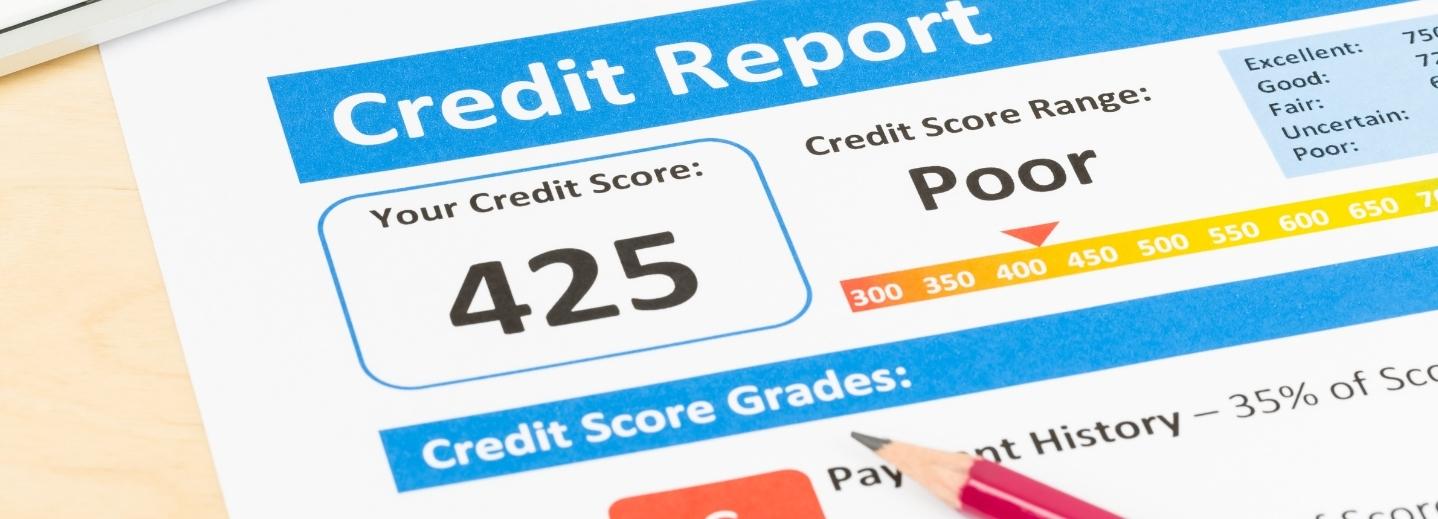
In Malaysia, many banks will ring-fence the amount you have converted to an EPP against your total credit limit. So if your card has a RM 20,000 limit and you convert RM 10,000 to an EPP, you may only have RM 10,000 left to use. That reduction pushes your credit utilisation ratio up, which feeds directly into how your CTOS score is calculated. For the entire duration of the EPP, your score could take a quiet hit that you did not see coming.
Mistake 6 — Treating the EPP as the Only Available Option
An EPP is one tool on a menu of debt repayment options. Depending on the borrower’s credit profile, a personal loan at a lower effective annual rate, a zero percent balance transfer to a promotional card, or a structured debt consolidation arrangement may deliver materially better outcomes. The EPP should be evaluated as a candidate option rather than accepted as the obvious default.
Your Checklist Before Signing Up for EPP
- Ask for the full EPP terms document before you agree to anything, verbally or digitally. Read it, including the fees section.
- Get the Effective Annual Rate, not just the monthly rate. If it is not stated in the offer, ask the bank directly. Do not sign without it.
- Get a personal loan quote for the same amount and tenure. It takes ten minutes and gives you a direct cost comparison.
- Find out whether you can settle early and what it will cost you. A fixed tenure with punishing early settlement terms is worth knowing about before you commit.
- Decide now whether you are going to stop using the card during the EPP period. If you do not make that call upfront, there is a good chance you will not stick to it.
Conclusion
An EPP can be a genuinely useful tool when you go in knowing exactly what you are signing up for. The problem is when people accept one without really running the numbers, and end up extending the debt cycle rather than getting out of it. If you want a clear comparison of your options before making a decision, the team at AE Finansure can help you figure out what actually makes sense for your situation.
Sources
- Bank Negara Malaysia — Consumer Financial Education Portal https://www.bnm.gov.my/consumer-financial-education
- CTOS Data Systems — How Credit Utilisation Affects Your Score https://www.ctoscredit.com.my/ctos-score
- Bank Negara Malaysia — Credit Card Guidelines https://www.bnm.gov.my/financial-institution
- AKPK — Managing Credit Card Debt https://www.akpk.org.my/resources